Showing posts with label meat. Show all posts

Thursday, January 30, 2020

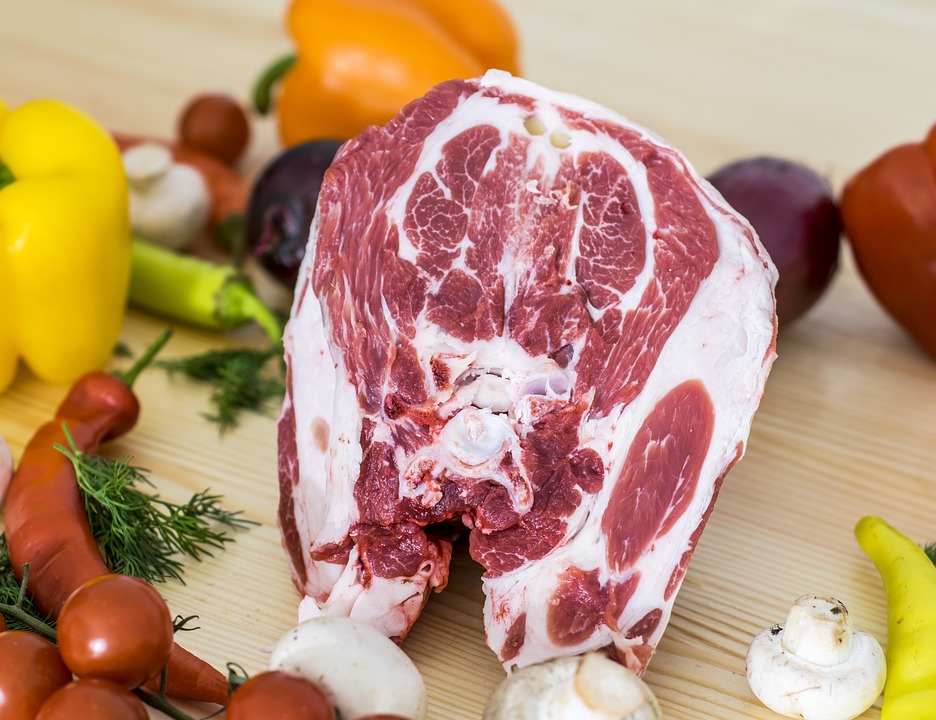
Goat meat

Goat: everything about this tasty and healthy meat
Many people do not like this type of meat because it has a specific smell, however, if it is properly processed and prepared, the dishes from it are very tasty, nutritious and healthy. This is what my blog is about today.
A bit of history:
Most often goat meat can be found in the Asian and African dishes. This is due to the availability of the meat in these regions. In Europe and America, it is used less frequently – mainly in villages. In large cities, goat meat is rarely found on the shelves of supermarkets; therefore, it is classed as a delicacy.
The history of many nations is tightly connected with this animal. This applies not only to cooking. In Christianity, the goat is associated with the image of Satan – a weakness of the personality. As for the scapegoat, this expression is also associated with religion. Below him hides the sacrifice of Jesus Christ, who took upon himself all the sins of humanity. In Judaism, the scapegoat serves as an animal on whom sins were “imposed” and released into the desert.
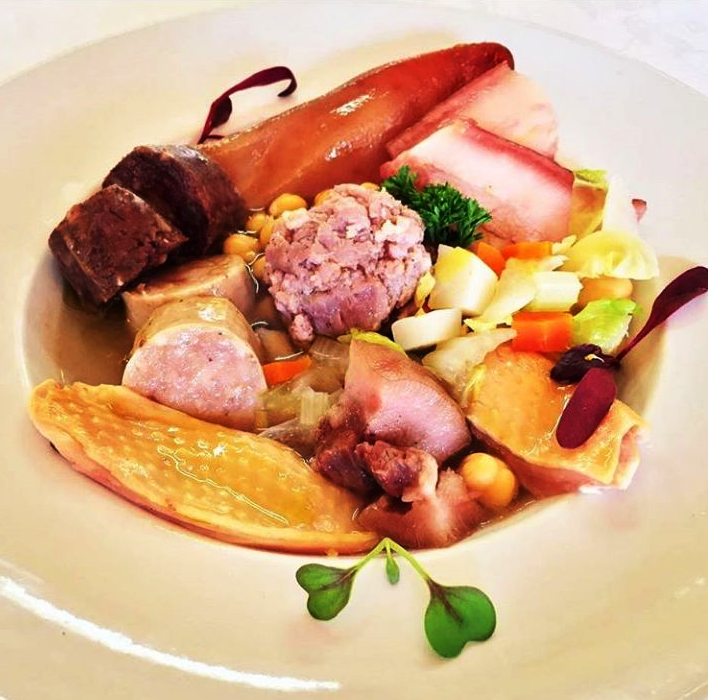
Escudella is a typical Catalan broth

Escudella is a typical Catalan broth and, essentially, it is the same dish as the putxero with meatballs or broth with meatballs from Valencia. It is made by simmering meat in a pot with vegetables such as chickpeas, potatoes and cabbage. Usually, onion or leek, celery, carrots and one or two cloves of garlic are also added. Because it is a hot dish, it is usually eaten in winter. It has an intense, moderately salty flavour depending on the variety of ingredients that are used. The level of saltines depends on the taste of each person, although generally it is advisable not to add salt as its already contained in the ingredients. The texture of escudella is usually very soft, although it can be thickened with meat or by adding grains. It does not have a specific recipe since it is a traditional dish and each person, family or town preppers it in their own way. At Christmas, it is usually cooked with soup de galets, a large pasta that is sometimes stuffed with small meatballs.
Carn d’olla (traditional stewed meat) is usually made up of black and white sausages, pilota (meatball), lean beef, a bit of lamb, chicken breast, some pork cheeks or ears, and bacon.

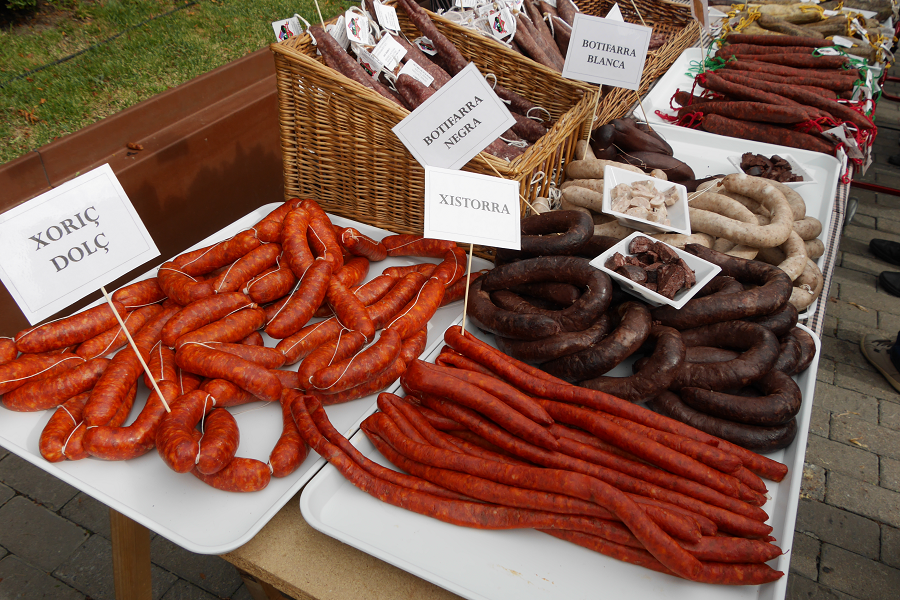
All about botifarra sausages

Botifarra is a type of sausage made by stuffing intestine of pork with minced and marinated meat from the same animal.
Fresh Botifarras
These sausages, also called botifarra vermella, roget or simply botifarra, must be cooked before eating them, often on a pan or on a grill, and they are served whole as a meal with some accompaniment. In Catalonia, botifarra with beans is very typical. They are those that are used on the botifarrades.
They are red before cooking and pink once cooked. They usually contain some pepper, often also garlic and parsley. Sometimes the minced meat is roasted or mushrooms are added before stuffing it in the intestine. It is also known as botifarra crua (eng. raw) or llonganissa in some parts of the Catalan Countries.
In the Valencian Country, except for the blanquet, a white botifarra, the botifarra is always black, dry or raw, and it is made with pork blood, lean meat, bacon and in some cases with some meat from pork head. There are varieties of it, with meat, onion and rice. Usually it is eaten fried or roasted, with the fat that drains out, and it is also eaten raw when dried. There are cooked varieties such as botifarra cuita or botifarró. Another typical one is the catalana with truffle, a sausage to eat in a sandwich or as tapas. The city of Ontinyent is known for the preparation of its typical Valencian sausages, although since Requena has become part of the Valencian Country in the 19th century, its sausages have become very popular. The fresh botifarra is known as llonganissa and is knotted with cords every 10 or 15 centimeters, making portions. It was called roget in the past and still, in some places, the fresh chorizo sausage for roasting or frying is called so.

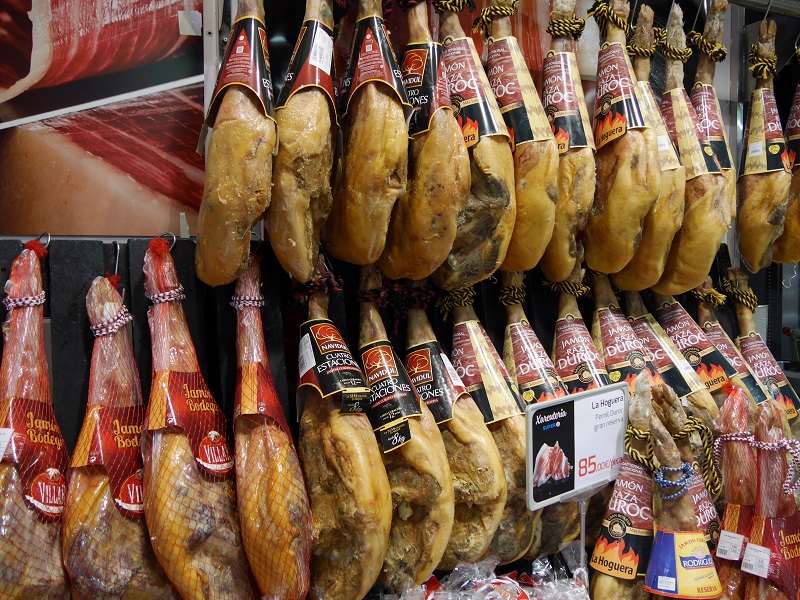
What is Spanish jamon and prices

Jamon Iberico & Jamon serrano: Spanish ham. Prices in Andorra 
Jamon is the most famous national dish of Spain, made from a pig’s leg. The true Spanish jamon, in accordance with tradition, is prepared and aged for up to 1 year. Preservatives in production are not used, therefore, hamon is considered a rather expensive delicacy.
Traditionally, the most common on sale jamon is divided into 2 types:
– Jamon Serrano – a semi-blooded pig breed without Iberian blood or with a small presence of Iberian blood. A distinctive feature of Hamon Serrano is the hoof of a pig of whiter light (white) color.
– Jamon Iberico – a pure Iberian breed of pigs is used. A distinctive feature of Hamon Iberico – the pig’s hoof must be black (pata negra) .
Among the most expensive types of jamon: Recebo is made from pigs, fattened by acorns with the addition of leaves or stems. The most expensive jamon – Bellota, is made from pigs, fattened only by acorns (the taste is similar to the taste of wild boar).
Jamon also has a classification according to the time-preparing principle:
Curado – about 6-8 months
Reserva – about 9-10 Months
Bodega – about 12 months or more.
Origin of the delicacy
The first recipe for making cured ham was written in a book by Cato the Elder (lat. Marcus Porcius Cato) in about 170 A.D. Thus, the age of this delicacy is more than two thousand years old. The recipe has not fundamentally changed to this day: pre-salted pork gammon hung in a cellar from the ceiling, where they had to hang all winter.