Showing posts with label costa daurada. Show all posts

Friday, January 31, 2020

Salou

Salou – the most popular sea resort in Catalonia, Spain
Salou is a famous seaside resort and tourist center of the Catalonia region. It is located 10 kilometers from Tarragona on the “Gold Coast” (Costa Daurada) and about 90 kilometers from Barcelona. It is also close to the famous amusement park Port Aventura (originally the park was created and belonged to the American film company Universal Studios).
Tourism, sights and main attractions
Bonet house. On the main facade of the building there is a sundial, decorated with ceramic mosaics and an inscription made in the Gothic font, the meaning of which is: “Use the time, for it goes away irrevocably”.
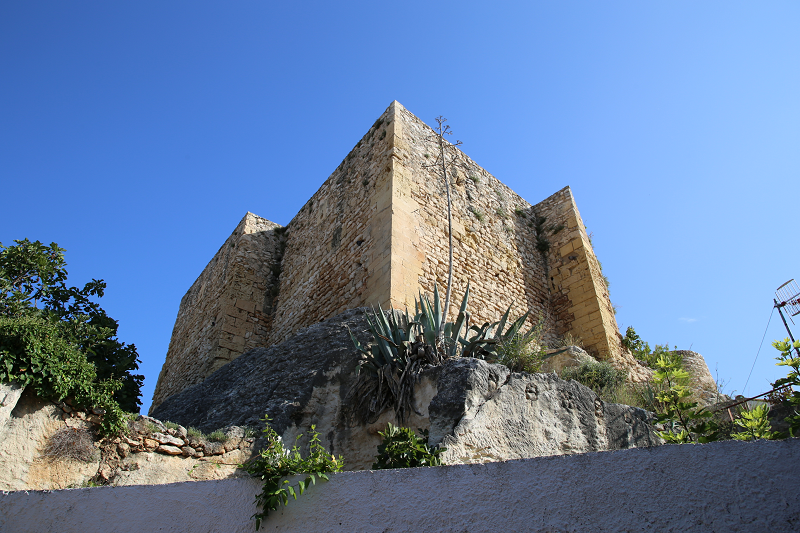
Calafell

Calafell – the best seaside resort in Catalonia for holidays with children
Calafell is a municipality in the Spanish province of Tarragona, in the tourist region of Costa Daurada. In the east the city borders on Cunit, in the west – with Vendrell. An official document issued by the Government of Catalonia confirms Calafell’s specialization – family tourism.
This is the best place for a relaxing holiday: in a city with a population of only 25 thousand people it is quiet, safe, and comfortable. The sandy beaches of the resort are marked with the sign of the world standard of “blue flags”, confirming the quality and purity of the water and the beach as a whole. The city has numerous restaurants offering fresh fish dishes. The medieval and ancient monuments of architecture (the historical center of the town of Calafell) are only a 10-minute walk from the beaches.

Sitges

Sitges and its sights
Sitges – a municipality in Spain, is part of the province of Barcelona as part of the autonomous community of Catalonia.
The municipality is located in the district Garraf.
History: Sitges belongs to one of the oldest settlements of the Iberian peninsula. The first mention of the settlement of the Iberian tribes dates back to the 4th century AD. Since the 12th century, power in the surrounding settlements was in the hands of the dynasty of Sitges, from which the city received its name. The economic potential of this Spanish region was mainly based on winemaking and wine trade with other cities in Spain and other European countries.
Over the past 20 years, the population of Sitges has almost doubled and acquired the features of “cosmopolitanism and multinationalism”: 35% of residents are citizens of Great Britain, the Netherlands, France and, most notably, the richest country in Europe (where the highest standard of living is registered) – Scandinavia.