Showing posts with label vitamins. Show all posts

Thursday, January 30, 2020

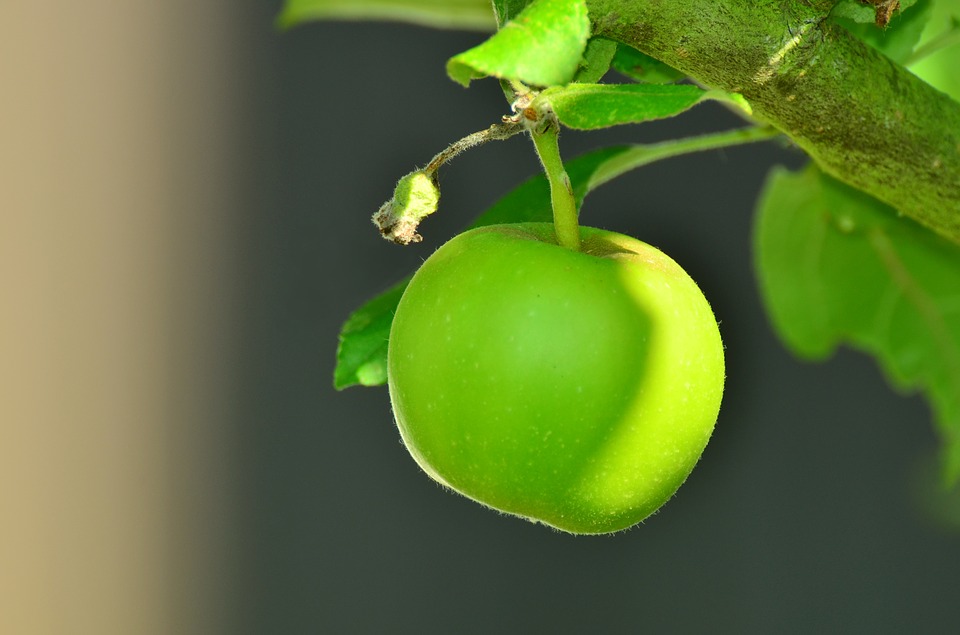
Curative effects of apples

Curative effects of apples
In the last decade, many studies have found a wealth of positive effects that apples have on human health. Apples are not delicious but they are also a great fruit to eat for your health. Adding apples to your daily diet is a very simple way to combat oxidative stress, inflammation, diabetes, heart disease, asthma, Alzheimer’s disease and cancer. This is what my post about today.

  1. Antibacterial activity
Apples can have a very strong antibacterial impact against gram-positive bacteria, such as staphylococcus, epidermis, subtilis bacilli and gram-negative bacteria, and proteu myrabilis. In addition to the apples themselves, apple tree bark also has antibacterial and antimicrobial properties. It was found that both the fetus itself and the cortex inhibit the activity of various bacteria and thus, prevent the occurrence of diseases caused by bacteria and microbes. This property of apples and the tree bark may be associated with an abundance of polyphenols and flavonoids.

  1. Diarrhea and dysentery
Apples are effective against diarrhea. Apples reduce stool wateriness and its frequency. Thus, apples can be used as an effective tool in the treatment of diarrhea and dysentery. In addition, apples are also useful in the treatment of hemorrhoids, flatulence and vomiting.

  1. Diseases of the bronchi
Apples have a bronchodilar effect, that is, they reduce resistance to the breathing process and expand the bronchi and bronchioles. This effect helps in easing breathing and reduces the overall stress caused by lack of air.

Vitamin B1 (thiamine) deficiency in food: symptoms and effects

Vitamin B1 (thiamine) deficiency in food: symptoms and effects
The first vitamin recognized for its beneficial effects on the human body is thiamine or vitamin B1. A high concentration of thiamine can be found in the liver, kidneys, brain, heart, and muscles. This is what my post is about.
Thiamine deficiency is common among people with high levels of alcohol consumption.
This vitamin B complex is important for producing energy, protecting the heart, improving brain activity and regulating our mood and general well-being.
Common symptoms of vitamin B1 (thiamine) deficiency include:
• reduced food intake (anorexia),
• muscle cramps,
• muscle atrophy,
• bad memory
• insomnia,
• irritability,
• tachycardia

The Most Useful Greens: Nettles in Wellness Recipes and Food

Greens grown under natural conditions (unlike greenhouse vegetables stuffed with nitrates) carry many useful microelements. One of the champions in this respect is the common nettle which is not remarkable at first glance. The plant grows in both hemispheres but is most commonly found in the north. My blog today blog is about nettles.
Nettle burns are relatively harmless, although there are several tropical species which can sting very badly and can even lead to death (for example the Urticaferox, a nettle tree from New Zealand).
In the old days, they said that it was the only one to replace the seven doctors. This plant grows in many gardens and contains many multivitamins. People have long been cooking soups with it, adding it to cereals and pies, and successfully filling the shortcomings of a depleted spring diet. Traditional medicines (including ancient China) use the dried plant parts for a wide range of disease treatments. What is so special about this ordinary grass?
Burning Multivitamin
Surprisingly, there is more ascorbic acid in nettles than in lemons and even blackcurrants. In terms of A-vitamin saturation, it is also ahead of many; just 20 leaves are enough to get a daily dose of A-vitamins. The plant is a better source of protein than nuts and legumes too. In addition to these, nettles contain many vitamins, minerals and useful organic nutrients.